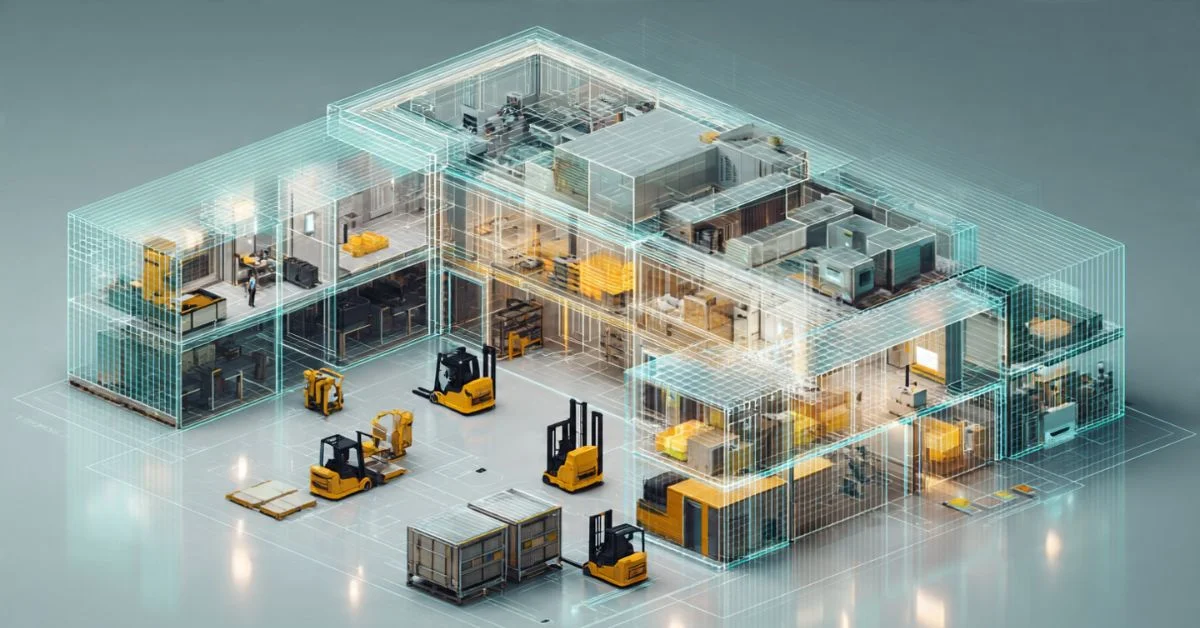
The high risk industries have an environment in which accidents lawsuits regulatory penalties and the financial losses are not fantasies but realities of operations. In the business of manufacturing oil and gas waste management and security services, the level of exposure of businesses in construction trucking is much more than normal businesses. Inthe deveopled nations of the United States Canada the United Kingdom and Australia, all of the insurers regulators and their clients are aware of this high risk. The result of such recognition is increased insurance demands in the form of higher premiums and increased underwriting aggressiveness. Given that in our line of advising companies in regulated and hazardous industries, the distinction between a reasonable coverage and minimum coverage can be the difference between a business recovering and a business collapsing in the aftermath of a big incident.
Understanding What Makes an Industry High Risk
Risk Classification and Underwriting Reality
The insurance companies group industries as high risk depending on the severity claims frequency, historical loss ratio, and the occupational hazard rating. Major construction companies experience falls equipments injuries and third-party damage of property. The trucking companies encounter losses in highway accidents, cargo and regulatory exposure. The risks that manufacturing plants are in danger of include machinery injuries, chemical hazard, and fire risk. The oil and gas activities are prone to explosions, environmental harm, and control. These are non-speculative risks. Underwriters price these policies using decades of actuarial data. High-risk commercial insurance serves as a statutory safeguard because insurers expect claims to happen, not just that they might.
Regulatory Pressure and Mandatory Coverage
Stricter regulatory supervision is also relevant to high-risk industries. In the United States APRA regulation in Australia and HSE regulation in the United Kingdom and provincial safety boards in Canada all have compliance standards which are directly related to insurance coverage. In almost all jurisdictions that involve hazardous work, workers compensation insurance is compulsory. Fleet operations demand commercial auto Insurance. The insurance of professional liability can be necessary when the advisory or technical judgment has an impact on the safety consequences. The lack of appropriate cover can lead to closure and suspension of license and even the imposition of fines that are higher than the insurance itself.
Claims Frequency and Financial Exposure
The risky businesses make claims more frequently and the claims are more serious. An accident in a shopping mall can lead to a small settlement. An accidental fall off scaffolding or the crashing of a truck carrying dangerous substances may lead to a multi-million dollar lawsuit. High risk insurance is necessary since the basic commercial insurance lacks coverage limits with tailored exclusions and reinsurance as it is unable to take in losses of this size without such provisions.
Core Commercial Insurance Policies for High-Risk Industries
General Liability Insurance for High-Risk Businesses
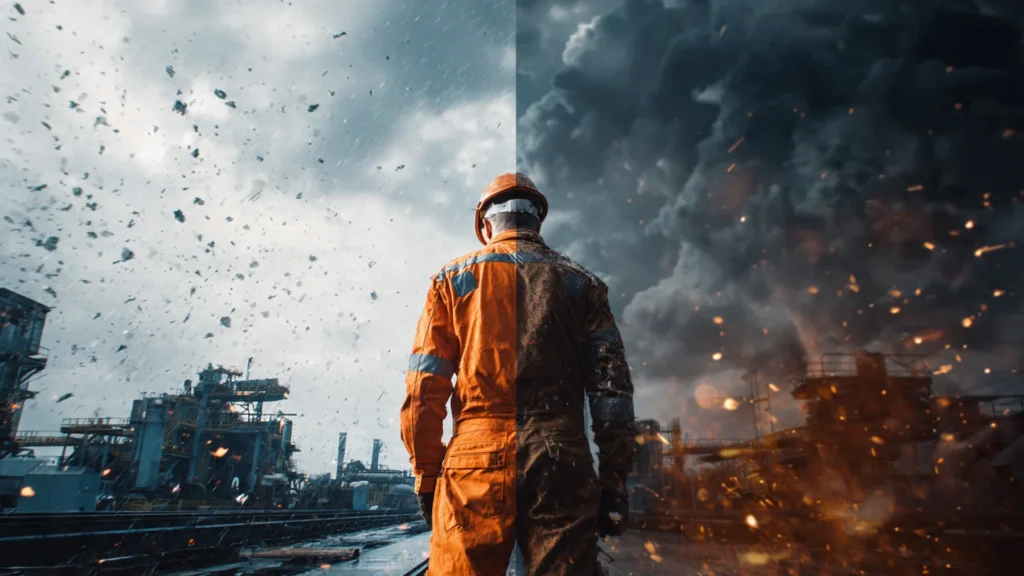
High-risk industries will always rely on general liability insurance since claims of bodily injury and damaged property are common. The construction firms that make plants and waste management firms are in contact with the public vendors and subcontractors on a daily basis. In California, a third-party property damage lay against a demolition contractor whose errands caused damage to a nearby building due to debris damage. General liability insurance covers legal defense and repair costs. Policies for high-risk businesses usually carry higher limits and may include exclusions that you need to review carefully.
Workers Compensation Insurance and Occupational Hazards
The most important policy to the high-risk industries is workers compensation insurance. Workers at risky workplaces are at risk of injuries at all times. One of the roofing companies in Florida had various injury claims in the high season because of heat and elevation risks. Medical treatment and wage replacement and rehabilitation were covered in workers compensation insurance. Insurers use occupational hazard rating to classify trades and this directly influences the amounts of premiums. Well safety-programmed businesses which have a written training tend to experience low loss ratios and improved pricing in the long run.
Commercial Auto Insurance for Fleet Operations
Risky industries usually have fleets of vehicles. Oilfield services construction contractors and waste management companies in the trucking industry use commercial auto insurance to cover bodily injury and property damage as a result of collision. A multi-vehicle accident brought significant claim to a logistics firm in Texas following an accident involving one of its truck. Defense and settlement expenses were processed by commercial auto insurance. The extreme commercial auto insurance has higher liability limits and more stringent requirements on qualification of drivers since it comes with high claims.
Professional Liability and Technical Risk
Professional liability is also exposed to some risk industries. The engineering firms oilfield consultants safety auditors and project managers make judgments, which influence safety results. In a structural engineering firm in the United Kingdom, a client filed a negligence claim after a design defect caused delays and required costly repairs. The firm’s professional liability insurance, also known as errors and omissions insurance, covered the legal defense and settlement. Professional errors in high-level settings present magnified outcomes and that is why this coverage is becoming a compulsory requirement by contracts.
Umbrella and Excess Liability Insurance
Businesses with high-risk are often the ones that purchase umbrella insurance to push the liability far beyond primary coverage. General liability commercial auto and employers liability are covered by umbrella insurance. One Ohio manufacturing company obtained umbrella coverage when a severe injury claim went beyond primary policy limits. Umbrella insurance has given extra cover at a reduced marginal cost compared to raising limits in individual policies. In high-risk sectors, businesses often treat securing proper insurance as a matter of life and death.
❝ In high-risk industries insurance limits are not about averages. They are about worst-case outcomes.❞ — Bunny Qureshi
Industry-Specific High-Risk Insurance Needs
Construction and Contracting
The construction is still among the most risky industries in the world. Contractors face risks like property damage, equipment falls, and contractual disputes. To protect against these threats, construction companies typically carry general liability, workers’ compensation, commercial auto, and umbrella insurance as part of their commercial coverage. Design build firms also need bonding and professional liability on many of their projects. In New York one of the general contractors lost his right to bid on a government project due to not obtaining insurance certificates. Sufficient coverage has a direct influence on revenue opportunities.
Trucking and Transportation
Trucking companies face cargo losses from highway accidents and bear heavy federal compliance costs. Because commercial auto coverage in this sector is high risk, insurers set premiums based on mileage, cargo type, and driver history. In one real case, a refrigerated freight company in California lost a full load when its cooling equipment malfunctioned, but specific policy endorsements covered the spoilage. Trucking insurance remains one of the most expensive forms of commercial coverage because regulations make it mandatory and claims are often severe.
Manufacturing and Industrial Operations
The manufacturing companies deal with heavy machine and dangerous substances. Loss drivers are fire explosions, equipment injuries. Commercial manufacturing based insurance also covers property casualty workers compensation general liability and in some cases, environmental liability coverage. In Louisiana a chemical manufacturing plant was fined by the regulators due to a spill incident. Insurance was used to pay remediation expenses and defense.
Oil Gas and Energy
Oil and gas business is highly risky. The environmental damage created by explosions and the death of workers poses exposure levels which are not as per the normal markets. Oil and gas high risk insurance can be in excess and surplus lines underwriters with specialised insurance. In Texas, a drilling operation used layered insurance coverage to meet both contractual and regulatory requirements. Without that specialty coverage, the company would not have been allowed to continue operating.
Waste Management and Recycling
Environmental exposure The waste management companies are exposed to a risk of injury-induced vehicle accidents and regulatory scrutiny. Waste management commercial insurance covers auto liability environmental liability and workers compensation. At a recycling plant in Canada, regulators fined the company and ordered it to clean up the contamination. Its insurance coverage paid for the remediation costs.
Security Services
Security firms have to endure assault claims, wrongful detention claims, and be in the position of liability involving contact with the population. High risk liability cover covers both bodily injury and legal actions. After an excessive force incident, someone sued a UK security firm, and its insurance covered the legal defense and paid the settlement.
Cost Drivers and Premium Factors
Claims History and Loss Ratios
History of claims has a massive impact on high risk insurance pricing. Insurers charge higher premiums to companies that file frequent claims, and they may even refuse to renew their policies. Underwriters determine their appetite for risk based on the company’s loss ratios. The firms that invest in safety training documentation and compliance save on the long term insurance cost.
Regulatory Compliance and Safety Programs
Insurers reward compliance. OSHA vehicle training telematics and written safety measures lower the rate of claims. An Arizona construction company cut the premiums when it introduced the compulsory training and audits of its jobsite protection against falls.
Excess and Surplus Lines Markets
Excess and surplus lines insurance companies provide cover to many high risk businesses that standard carriers refuse to cover. These are the markets that are flexible but more expensive. The terms of coverage should be checked thoroughly on the basis of exclusions and the need to report.
Conclusion
Author Bio & Disclaimer
Written by a commercial insurance advisor specializing in high-risk industry coverage regulatory compliance and enterprise risk management across developed markets.
❝ High-risk insurance is not about paying more. It is about transferring unavoidable risk.❞
— Bunny Qureshi